The Release Day Nightmare: When Your Delivery Process is a Black Box

Editor’s Note: You’re facing unprecedented business challenges. You need more than theories—you need a blueprint. Welcome to a Leader’s Blueprint, your weekly guide to proven strategies that get results.

It’s 2:00 AM on a Saturday. A critical deployment has failed, again. You’re on a conference call with a team of exhausted engineers who are trying to manually roll back a change, hoping they don’t make things worse. Your business stakeholders, who were promised a seamless update, are sending frustrated emails.

You have brilliant engineers, yet every release feels like a high-stakes gamble. The path from a developer’s laptop to a live customer is a murky, complex maze of manual handoffs, tribal knowledge, and heroic efforts. You’re responsible for the outcome, but you have no real visibility into the slow, error-prone system that produces it.

The Hidden Costs of an Opaque Pipeline

An unpredictable and inefficient delivery process isn’t just a technical problem; it’s a significant liability that generates compounding costs.

  • Erosion of Business Trust: When you can’t provide clear answers on when a feature will be delivered or why a release failed, the business loses confidence in the technology organization’s ability to execute. “IT” becomes seen as a bottleneck, not a strategic partner.
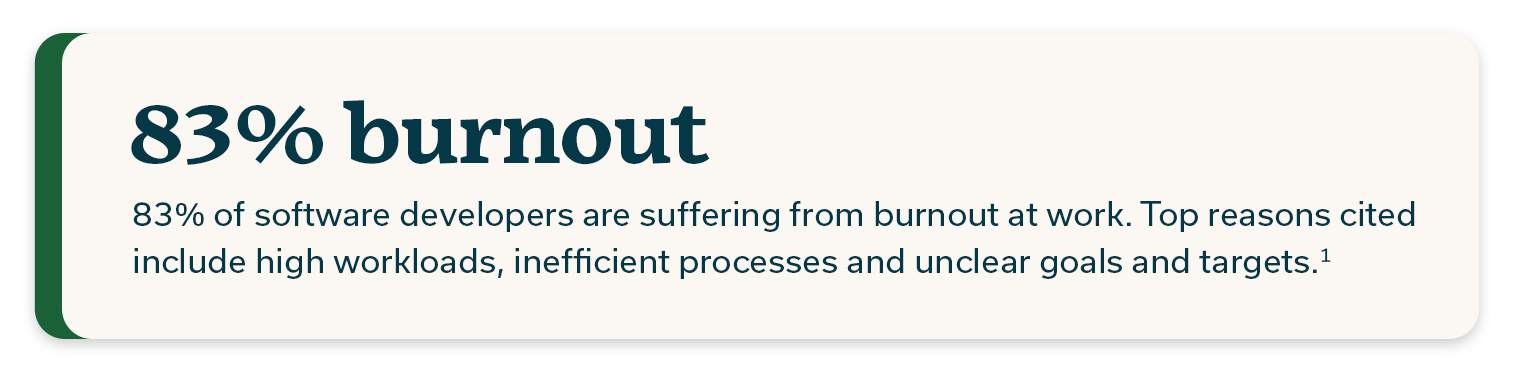
  • Hero-Driven Burnout: Your process relies on a few key individuals who know the “magic” to get things deployed. This is not a sustainable model. It creates single points of failure and burns out your most valuable talent, who eventually leave for environments where they can be more effective.
  • Innovation Gridlock: When every release is a high-risk, all-hands event, you can’t afford to do it often. This means valuable features, bug fixes, and security patches sit on the shelf for weeks or months, undelivered. Your innovation pipeline is clogged by your own internal friction.

From Black Box to Glass Box: A Glimpse of the Solution

The solution is to transform your delivery process from an unpredictable art into a reliable science. In SAFe®, this is the Continuously Delivering Value competency. The core of this is building a Continuous Delivery Pipeline (CDP)—an automated, visible, and streamlined path from idea to deployment.

The goal is to identify and break down pain points, transforming your pipeline from a series of disconnected, manual steps into a transparent system where every stage—from build to test to deployment—is optimized for speed and quality. This turns your release from a high-stakes, manual event into a low-risk, automated process.

Your First Step

You can’t fix a process you can’t see. Your first step is to make the work visible. This week, gather your key technical leads around a whiteboard. Include developers, QA, release management, and operations, and ask them to perform a simplified Value Stream Mapping exercise.

Pick the last feature your teams released. For that feature, “Map every step we remember—both manual and automated—that a piece of code goes through to get to production. Then, estimate the ‘wait time’ and ‘pain points’ between each step.”

The delays you uncover will be staggering, and they will point directly to some quick improvements you can resolve.

Unlock the Full Blueprint

Making your pipeline visible is the first step toward fixing it. But creating a true continuous delivery capability requires a systematic approach to automation, testing, and collaboration. The Continuously Delivering Value competency provides a full blueprint for visualizing, building, and optimizing your delivery pipeline.


In this Series:


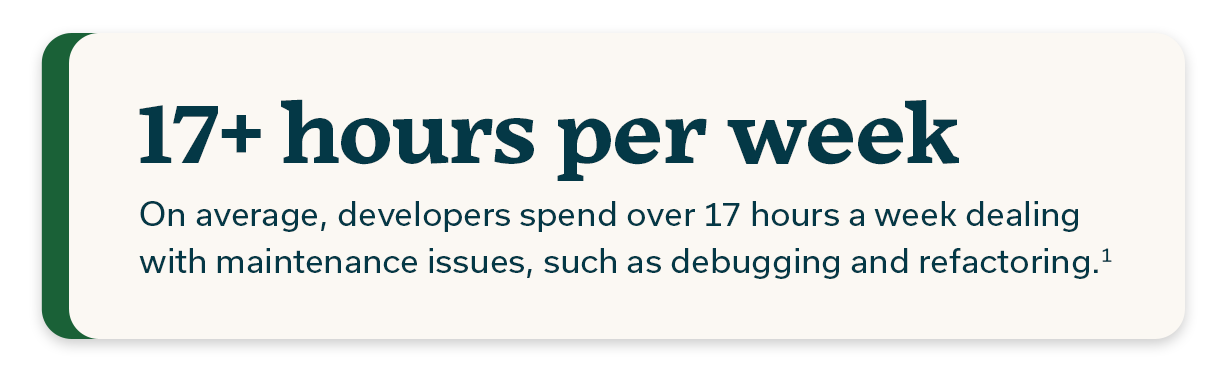
1 Rene Millman, “83% of Developers Suffer from Burnout,” IT Pro, July 12, 2021, accessed October 28, 2025, https://www.itpro.com/development/software-development/360192/83-of-developers-suffer-from-burnout

The Innovation Brake: When Your Delivery System Can’t Keep Up with Ambition

Editor’s Note: You’re facing unprecedented business challenges. You need more than theories—you need a blueprint. Welcome to a Leader’s Blueprint, your weekly guide to proven strategies that get results.

The CEO’s got a big, game-changing idea, and the product team has the numbers to back it up. All eyes in the strategy meeting turn to you, the technology leader. The question is simple: “How fast can we build it?”

On the outside, you project calm confidence. But on the inside, you’re mentally navigating a minefield of potential bottlenecks, excessive work in process (WIP), and the friction of too many handoffs. The honest answer isn’t a date; it’s a list of caveats. Your ambition as a leader is to say “yes,” but your current system is screaming “not so fast.”

The Hidden Costs of Technical Drag

When your delivery pipeline has too much friction, the consequences ripple through the entire technology organization, creating significant risks and liabilities.

  • The WIP Whirlpool & Bottleneck Backlog: Excessive Work in Process (WIP) and unaddressed bottlenecks create a vicious cycle. Teams are constantly context-switching, leading to slower completion times and a growing mountain of unfinished work. This grinds innovation to a halt, making every future change slower, more expensive, and more complex.
  • Developer Frustration & Attrition: Top engineering talent wants to solve complex problems and ship great code, not spend their days fighting a frustrating system. A slow, cumbersome process leads to burnout and the loss of your best people to competitors with modern tech stacks.
  • Increased System Risk: Every manual handoff and complex, rushed deployment is a potential failure point. As speed is prioritized over stability, the system becomes more fragile, leading to more bugs, unexpected downtime, and security vulnerabilities. This is exacerbated by legacy policies and procedures that are slowing down everything.

From Friction to Flow: A Glimpse of the Solution

The solution isn’t just about better code; it’s about building a better system for delivering that code. In SAFe®, this is the Accelerating Product Flow competency. For technology leaders, this means creating a streamlined, automated path from a developer’s keyboard to a live production environment.

This involves a relentless focus on accelerating flow. Starting with:

  1. Identifying Bottlenecks: This means looking at your entire delivery pipeline—from build times to security scans to testing environments—and finding the single biggest source of delay. Is it a manual approval gate? A slow testing cycle? Addressing these constraints is the key to unlocking speed.
  2. Minimizing Handoffs: Every time work is handed from requirements ideation through to approval for release, you introduce wait time and the potential for error. The goal is to create cross-functional teams and automated processes that reduce these handoffs, smoothing the path to production.

Your First Step

You can begin to diagnose your biggest point of friction this week. Ask one of your engineering teams a direct question:

“What is the most frustrating, time-consuming manual step between writing a line of code and seeing it live in production?”

The answer will immediately pinpoint what you need to resolve first.

Unlock the Full Blueprint

Identifying a bottleneck is the first step, but creating a high-velocity engineering organization requires a holistic approach. The Accelerating Product Flow competency provides a full blueprint for implementing eight flow accelerators, including optimizing time in the zone and getting faster feedback.


In this Series:


1 Stripe, “The Developer Coefficient: Software engineering efficiency and its $3 trillion impact on global GDP,” (September 2018), accessed October 28, 2025, https://stripe.com/files/reports/the-developer-coefficient.pdf

Your Roadmap: A Windshield or a Rearview Mirror?

Editor’s Note: You’re facing unprecedented business challenges. You need more than theories—you need a blueprint. Welcome to a Leader’s Blueprint, your weekly guide to proven strategies that get results.

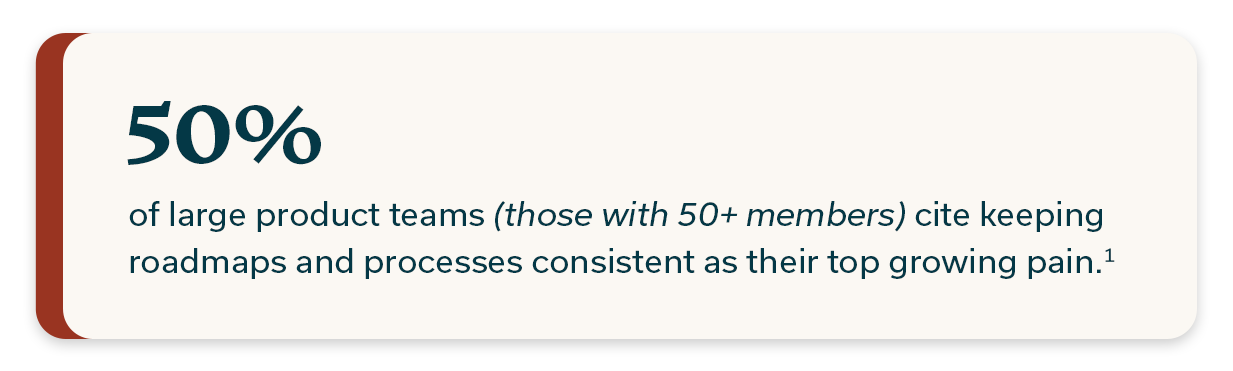
In your last product strategy meeting, how much time was spent looking forward versus looking back? It’s a common scene: we do the next item of work without considering if it’s the right thing, pointing to a line item on a twelve-month-old roadmap, a plan created in a different reality. You’re trying to drive the business forward, but your teams are navigating by looking in the rearview mirror.

A plan like this doesn’t illuminate the road ahead; it only reflects commitments made in the past. When your roadmap focuses only on where you’ve been, you’re guaranteed to miss the opportunities right in front of you.

The Hidden Costs of a Static Plan

An inflexible roadmap isn’t just an administrative headache; it’s a direct threat to your business agility and a quiet killer of innovation.

  • Paralysis by Plan: Teams are forced to choose between following an irrelevant plan or going rogue, creating friction and misalignment.
  • Wasted Opportunity: By locking in features months in advance, you lose the ability to react to new market insights or customer feedback, effectively ceding ground to more nimble competitors.
  • Broken Trust: When roadmaps consistently fail to reflect reality, they undermine trust between leadership, product teams, and stakeholders, making true alignment impossible.

From Fixed Plans to Living Guides: A Glimpse of the Solution

The solution is to transform your roadmap from a rigid, feature-based timeline into a dynamic, outcome-focused guide. In SAFe®, this is the Creating Responsive Roadmaps competency.

This approach reframes a roadmap as a strategic communication tool, not an unbreakable promise. It’s a living document that adapts to new information. One of the key tools SAFe uses to prioritize items on this flexible roadmap is Weighted Shortest Job First (WSJF). Instead of prioritizing based on emotion or seniority, WSJF provides an economic framework to determine which features will deliver the most value in the shortest time, ensuring you’re always working on the most important thing.

Your First Step

You can start making your roadmap more responsive today with a simple change in language. This week, pick one high-level initiative on your current roadmap and reframe it with this question:

“For every item currently listed on our roadmap, can we clearly articulate the specific desired outcome and the measurable impact it is expected to have?”

This question helps foster a shared understanding of success criteria and forces everyone to step back from the feature list to ensure the work is tied to the overarching business goals. If a feature cannot be tied to any expected outcome, reconsider its place on the roadmap.

Unlock the Full Blueprint

Shifting your language is the first step, but building a truly responsive planning process requires a complete system. The Creating Responsive Roadmaps competency provides a full blueprint for connecting strategy to execution, using milestones effectively, and facilitating collaborative planning events.


In this Series:


1 “Why Product Teams Keep Roadmaps and Processes Consistent,” ProductPlan, accessed October 28, 2025, https://www.productplan.com/roadmap-processes-consistent/.

Why You Should Build a Data-Driven Product Strategy for Modern Product Management

data-driven product strategy - a SAFe series

Editor’s Note: You’re facing unprecedented business challenges. You need more than theories—you need a blueprint. Welcome to a Leader’s Blueprint, your weekly guide to proven strategies that get results.

You’re in the quarterly strategy meeting. The stakes are high, and a critical decision must be made: which major initiative should be prioritized for funding? The debate is passionate, but it’s driven by compelling arguments and seniority, not data. You have dashboards, but they’re filled with vanity metrics. No one can definitively answer the most important question: “Which of these options will actually move the needle on our business goals?”

When the loudest voice in the room becomes your primary decision-making tool, you’re not strategizing; you’re gambling.

What is a Data-Driven Product Strategy?

A data-driven product strategy is one that relies upon product analytics and qualitative insights to inform decision-making and which direction you should take your products in.

It’s a product management and development approach that aims to improve strategy by ensuring it’s driven by a comprehensive understanding of product usage based on concrete information and evidence, such as usage patterns, customer behavior, and performance metrics, rather than guessing what should be done next using assumptions or intuition.

The Hidden Costs of an Opinion-Driven Culture

Operating without clear, consistent product metrics is like flying a plane without an instrument panel. The risks are immense and go far beyond inefficient meetings:

Strategic Drift

Teams invest significant time and effort into features that feel important but are never tied back to defined outcomes. Over time, this disconnect causes the product to slowly drift away from its original goals and customer needs, as well as market position. Without data to course-correct and identify areas for improvement, even well-intentioned work can pull the product in conflicting directions.

Wasted Investment

When priorities aren’t grounded in measurable impact, precious capital and talent are spread thin across initiatives that don’t really make a difference. Engineering time, design effort, and marketing spend are consumed by features or experiments that fail to improve business performance or user experience and satisfaction. And this is often done without anyone realizing the true cost.

Inability to Learn

Without measuring the results of decisions, product teams lose the ability to learn from their work. Every launch becomes a shot in the dark, with no feedback loop to indicate success or failure. This prevents continuous improvement, making it difficult to refine strategy or build confidence in future decisions.

Slower Decision-Making

In the absence of data, decisions rely heavily on debate to try to reach a consensus. This leads to prolonged discussions and decision paralysis. Instead of moving quickly with clarity, teams spend time defending opinions rather than aligning around evidence and quantitative data.

Erosion of Trust and Alignment

When decisions are driven by opinion, stakeholders often question why certain choices were made. This can erode trust between teams and leadership, which creates friction across functions and makes it harder to align around a shared vision. Product development guided by the right data provides a common language; Without it, alignment becomes fragile and short-lived.

Data-Driven Product Management: From Guesswork to Guidance

The antidote to this uncertainty is building a culture of data-driven decision-making. In SAFe®, this is guided by the Measuring Product Performance competency. This framework provides clarity by viewing your product through four essential lenses: Business Outcomes, User Engagement, Customer Satisfaction, and Technical Performance.

This holistic view is powered by combining two types of metrics:

  • KPIs (Key Performance Indicators): hese are your instruments, providing a continuous pulse-check on the operational health of your product.
  • OKRs (Objectives and Key Results): This is your destination, aligning everyone toward ambitious, strategic goals.

Using both, you always know your current health and where you’re headed.

Benefits of Using Product Data to Make Strategic Decisions

Product management data analytics help PMs in several ways:

Enable Better Product Decisions for Product Managers

For a product manager, data provides the foundation for confident prioritization. By relying on key data instead of intuition alone, teams can optimize product decisions, focusing effort on initiatives that deliver the greatest value to users and the business.

Leverage Data Analysis to Move Faster with Confidence

Strong data analysis helps teams to reduce uncertainty and accelerate decision-making. When evidence is readily available, discussions become more focused, alignment happens faster, and teams can make data-driven decisions without unnecessary debate.

Create a Data-Driven Culture with Shared Metrics

Shared metrics help create a data-driven culture where teams align around outcomes instead of opinions. This common language enables better collaboration across functions and ensures everyone is working toward the same strategic goals.

Reduce Risk and Waste

When teams use product data effectively, they can identify underperforming initiatives early. This reduces risk and avoids wasted investment. It also ensures resources are allocated based on evidence rather than guesswork.

Support a Strategy Framework with Transparency and Accountability

An effective strategy depends on having a clear view of how the product is performing. When decisions are grounded in measurable outcomes, it becomes easier to understand the reasoning behind them and assess their impact over time. This shared visibility helps teams stay aligned and reinforces ownership of decisions. What’s more, it allows strategic choices to be evaluated and refined over time.

How to Use Data to Drive Product Growth and Actionable Insights

Start With a Clear, Measurable Question

You can begin this shift with a single question. This week, pick one significant feature on your upcoming roadmap and ask the team:

“If this feature is wildly successful, which single, measurable metric will change, and in what direction?”

If there isn’t a clear answer, the feature’s purpose—and its value—is a mystery.

Define Meaningful Metrics

Metrics should tell you something important about your product, not just fill a report. Think about engagement, retention, revenue impact, or operational efficiency—whatever shows real customer value. The key is choosing measures that are specific and actionable. They should be directly tied to decisions, so you always know which levers to pull next.

Integrate Metrics Into a Strategy Framework

Undertaking the first two steps above brings immediate clarity. But creating a true data-driven engine requires a complete system. The Measuring Product Performance competency provides a full blueprint for defining meaningful metrics across all four lenses and integrating them into powerful OKRs and KPIs. Stop flying blind. Unlock the full framework, competencies, and guidance you need to make every product decision with confidence. Get access by purchasing your SAFe® Insider membership today.

Continuously Measure and Adjust

Data isn’t a one-time check; it’s a constant feedback loop. Track results for every launch, experiment, or update, then analyze what’s working and what’s not. Use these insights to refine priorities, validate assumptions, and make smarter decisions for the next round of features. Your product evolves with each insight.

Embed a Data-Driven Culture

A data-driven strategy only works if the team lives it. Encourage using metrics in discussions and planning. Share results openly to celebrate wins and learn from misses. Over time, using data becomes second nature, helping everyone make better decisions and keeping the product aligned with real customer needs.


In this Series:


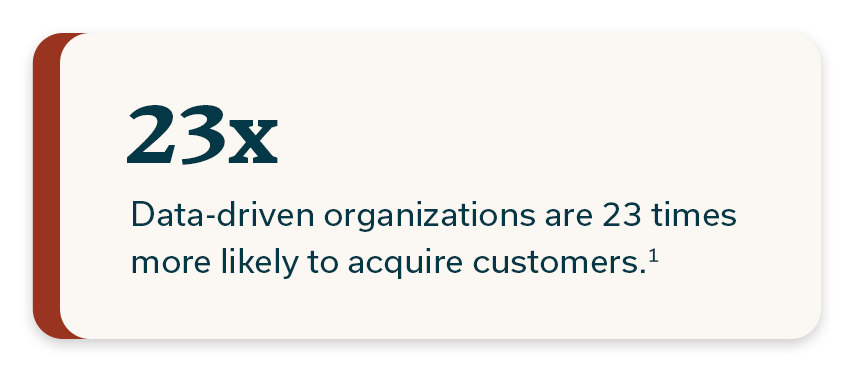
1 According to the McKinsey Global Institute, as cited on the Data Ideology website, “Data-Driven Organizations Are 23 Times More Likely to Acquire Customers, Six Times as Likely to Retain Customers, and 19 Times as Likely to Be Profitable as a Result”. Retrieved on October 22, 2025, https://www.dataideology.com/data/data-driven-organizations-are-23-times-more-likely-to-acquire-customers-six-times-as-likely-to-retain-customers-and-19-times-as-likely-to-be-profitable-as-a-result/

SAFe for Government: Roles and Responsibilities

Bridge the gap between bureaucracy and agility.

Agile work in government can be quite challenging due to long-standing bureaucratic processes and outdated labor categories that hinder the flexibility required to manage Agile acquisitions. Our latest micro-credential course aims to bridge the gap between traditional staff competencies and the new Agile roles that are needed to manage large complex systems at scale.


SAFe for Government: Roles and Responsibilities empowers you to navigate and overcome bureaucratic challenges, fostering the agility needed to manage large-scale, complex systems. By learning from industry experts and engaging in real-world problem-solving, you will gain the confidence and skills to lead and innovate in your government role.

What will I learn?

  • Summarize the most important agile roles and practice key agile activities through the lens of government work
  • Identify mitigation strategies to the most common SAFe adoption and transformation challenges
  • Become a lean-agile leader in a government context

What is a SAFe Micro-credential course?

A new training product from Scaled Agile meticulously designed to bridge the gap between theory & practice, providing actionable insights in a blended learning experience that combines a self-paced eLearning with a half-day, expert-facilitated session focusing on real-world simulations, not slides.

What should I expect before, during, and after my course?

Before
Complete 1 hour e-learning
Prior to attending your facilitated session, we highly recommend completing the associated e-learning in SAFe Studio. This e-learning provides the perfect preparation for your facilitated session.

During
Engage in 4-hour facilitated session
During your live session, a facilitator will help guide you and your classmates through a variety of activities and workshops designed to not only provide knowledge, but provide practical applications of what you learn.

After
Immediately apply your knowledge
Upon completing your e-learning and facilitated session, you will be instantly ready to apply your knowledge in your unique setting.

What is the course curriculum?

“>Self-paced, on-demand eLearning (1 hour)
The eLearning module provides a comprehensive overview of the responsibilities of key agile roles including Business Owner, Product Owner (PO), Scrum Master/Team Coach (SM/TC), Product Manager, Release Train Engineer (RTE), System Architect, and SAFe Practice Consultant (SPC), as well as the concept of Customers and end users in a government context. Several lessons and four self-reflection activities provide the perfect preparation for your facilitated session.

Activity 1 – Key Agile Roles in Government (~55 minutes)
To fully understand agile roles in government, you need to start with the SAFe concept of Flow. This activity reviews the eight properties of flow-based systems before discussing the activities, decisions, and other aspects of several agile roles and responsibilities.

Activity 2 – Activities of Agile Roles in Government (~45 minutes)
PI Planning is an integral event within SAFe. Our second activity provides hands-on experience assigning PI cycle activities to the appropriate role, teaching participants to identify shared activities and dependencies between roles and activities, including how to incorporate additional government requirements into the cycle.

Activity 3 – Government Scenario (~27 minutes)
Executive orders are commonplace in a government context — and often disrupt planned work. This activity reviews the options for addressing an executive order that disrupts planned work by teaching participants to identify who is involved in replanning work and developing and communicating a strategy when plans need to change.

Activity 4 – Anti-patterns & The Changing Role of Government Leadership (~65 minutes)
With more than a decade of agile transformations, we understand the typical challenges that can impede an agile acquisition. This discussion based activity helps agilists operating in a government context prevent or mitigate common challenges that run counter to Lead-Agile practices.

Achieving Responsible AI

Maximize innovation, minimize risk with Responsible AI

Achieving Responsible AI is a SAFe Micro-credential course designed to equip Agile professionals with the skills to implement Responsible AI in their organizations. This course is a blended learning experience that combines a one-hour self-paced eLearning module with a half-day facilitated session focused on practical applications and real-world scenarios. Participants will learn to identify key stakeholders, evaluate RAI policies, draft Epic hypothesis statements, and create actionable plans for continuous improvement in Responsible AI practices.


Achieving Responsible AI will make you stand out as a leader in implementing responsible AI by providing hands-on experience and practical skills that ensure your AI projects are transparent, accountable, and aligned with human values.

Through immersive learning and practical activities, you’ll develop the capability to ensure your AI systems are fair, transparent, and accountable.

Attendees will learn:

  • Explore and evaluate examples of RAI policies for potential application within your organization.
  • Develop a concise elevator pitch to advocate for RAI initiatives.
  • Create an action plan for continuous learning and sharing of best practices in RAI.

Course Curriculum:

  • Self-paced, on-demand eLearning (1 hour) introducing the topic of Responsible AI.
  • Activity 1 – Identifying Stakeholders (~30 minutes)
  • Activity 2 – Evaluating RAI Policies (~25 minutes)
  • Activity 3 – Communicating the Need for RAI (~30 minutes)
  • Activity 4 – Writing an RAI Epic Hypothesis Statement (~35 minutes)

SAFe Leadership Forum

SAFe® Leadership Forum

Join this one-day conference targeted at all levels of leaders in organizations practicing SAFe or considering it.

When:

September 19, 2024, 8:30 am – September 19, 2024, 7:00 pm EET

Where:

Gleisarena, Zollstrasse 17, 8005 Zürich, Switzerland

Who:

Business Owner, CEO, CIO, Enterprise Architect

Event Overview

This event is a great opportunity to bring together and improve the community of organizations using SAFe.

Questions? Contact us here.

Speakers

Inbar Oren

Chief Product Officer, SAFe Fellow and Methodologist at Scaled Agile, Inc.

Agile HR Explorer (third-party course)

A profound shift is happening in the way enterprises approach people management. Human Resource departments are realizing that traditional HR practices don’t support Agile teams and the needs of today’s rapidly changing business environments. To bridge this gap, Agile HR Explorer provides learners with the guidance needed to align HR practices with the SAFe transformation and their Agile teams.

This one-day introductory course is designed for HR professionals and leaders in a Lean-Agile environment to gain a high‐level understanding of Agile methodology and its influence on Human Resources. In Agile HR Explorer, learners will explore the new world of work and learn why Agile is instrumental in creating more stable, responsive, and successful organizations.

The course was created by one of the leading thought leaders in the world of Agile HR, Just Leading Solutions (JLS)©.

Attendees learn:

  • New World of Work – explore the latest revolution of work and its disruptive impact on organizations and HR. 
  • Agile Foundationscovers the history of Agile, its values, principles and underlying concepts
  • Intro to Agile HR – explains the meaning of Agile HR, and Agile4HR vs. HR4Agile
  • Mini Case Studies – practical stories to help learners apply the newly gained knowledge
  • Practices and Themes – guidance for applying agile values and principles to different HR practices

Agile HR Explorer answers the questions:

  • How can I identify the changing nature of work and its impact on HR?
  • What is the world of Agile and how do I apply agile values and principles?
  • What is the difference between Agile4HR and HR4Agile?
  • What are the key Agile HR themes and their relevance to HR Practices?

Languages available:

English

What’s included:

  • Course workbook 
  • Option to pursue certification from Just Learning Solutions

Accolades:

Certified Agile HR Explorer (AHRE) – certificate and digital badge from Just Leading Solutions

What people say about Agile HR Explorer

“I was blown away by how interactive a virtual course could be. JLS has put together an online experience that is unlike any other I’ve ever seen. Fabiola is so knowledgeable and passionate on the topic of Agile HR. This was the most informative online course I’ve ever taken.”